Guide 02 · let the bird choose
Observe birds without disturbance
Distance is not a fixed number that suits every bird. It is a live agreement, measured by whether the subject can continue feeding, resting, nesting or moving normally.
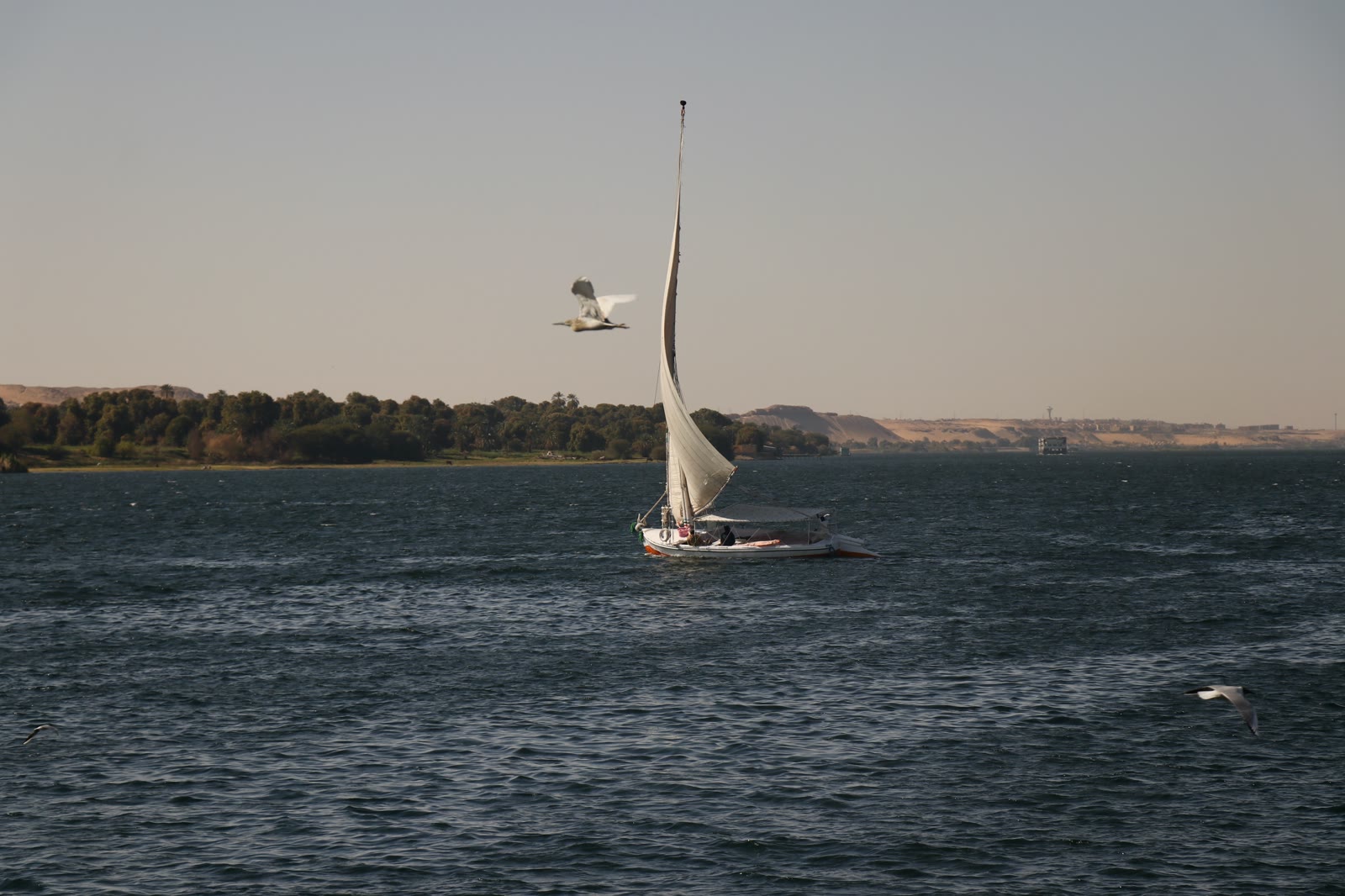

Begin farther away than you think necessary. Stop, lower your profile without hiding and allow the scene to settle. A bird that resumes its previous action is giving you a better observation than one that remains upright and watchful. Use binoculars or a longer lens to enlarge detail; do not use them as justification to keep moving forward.
Recognise the early signals
Disturbance begins before flight. A resting bird may raise its head, stop preening, turn its body toward an observer or edge away. Feeding can become interrupted by repeated scanning. Calls may increase, especially near companions or young. One signal may have another cause, but a sequence following your approach is a clear instruction: stop and increase distance.
Approach shape matters. Walking directly at a bird is more threatening than passing predictably along an established route. Never block the line between a bird and water, cover, a nest or its group. From a boat, maintain the ordinary course rather than slowing, turning or circling for repeated views.
The three-response rule
If a bird looks toward you, changes posture and changes position, leave more space immediately. Do not wait for flight as proof. A voluntary departure still costs time and energy.
Treat nesting areas as sensitive
Nests, display sites and dependent young require exceptional caution. Do not clear vegetation, handle nest material, reveal precise locations publicly or wait nearby for an adult to return. If an adult calls, circles, carries food without approaching or performs repeated alarm behaviour, withdraw along the route you came. Local restrictions and protected-area instructions always take priority over a photograph.
No playback and no feeding
Recorded calls can pull a bird from shelter, interrupt feeding or provoke territorial responses. Wingline Egypt does not recommend playback for casual observation or photography. Silence also produces better evidence: the bird’s movement remains a response to its environment rather than to a sound introduced by the observer.
Do not offer bread, fish or scraps. Feeding changes natural choices, can concentrate birds around people and may introduce unsuitable food. Photographing an artificial response without disclosure also misrepresents behaviour. If birds approach because previous visitors have fed them, keep food packed away and avoid rewarding the approach.
Photography is not an exemption
A camera does not change the welfare threshold. Avoid flash near roosting or nocturnal birds, do not prune branches for a clean frame and never flush a bird to obtain a flight shot. Take a wider environmental image, record the habitat and accept obstruction. A branch between viewer and subject may be exactly the cover the bird chose.
Share images with restraint. Removing precise location details can protect sensitive nests or roosts. Captions should distinguish what was seen from what is inferred, especially when behaviour or age is uncertain.
End the observation deliberately
Leave while the bird is still settled. Back away calmly, keep companions together and take all litter. A useful closing note records not only species and behaviour, but also your distance, route and any response. That makes ethics part of field accuracy.
The reward for restraint is more than moral. An undisturbed bird reveals longer sequences: a heron returns to hunting posture, a cormorant resumes drying, a goose continues grazing. The choice to remain back is what allows the real story to continue.